Four Japanese Tea Houses For Every Mood, From Miyajima to Kyoto
- Mar 30
- 3 min read
By Kelly Washington
As a woman hailing from the North of England, I thought I loved tea… then I went to Japan, and fell in love with the practice of visiting tea houses. In Japan, tea is a ritual. Rooted in the spiritual practice of Zen Buddhism, drinking tea encourages one to sit in the moment and practice the aesthetic principles of wabi-sabi (finding beauty in imperfection). At home, it’s less about reflection and more about comfort. Mainly, it is a way to connect with people, when we haven’t seen someone in a while we’ll “pop over for a brew” to catch up. It’s also a way to soothe (the first thing we’ll do when someone is feeling low is offer to boil the kettle).
While the UK is known for loving tea, I’m told most parts of Asia are appalled at the way we drink it. In Japan, there’s much more to tea than a quick cup of Yorkshire. I knew I wanted to visit some tea houses during my stay, but had absolutely no clue where to start. When you can find one on every corner it can be a little overwhelming (there’s currently a surge in popularity, due to ‘matcha mania’ on social media and tourists). During my research, I soon discovered there’s a tea house for virtually every mood. To save you the trial and error, here’s four of Japan’s most interesting tea houses that bring a little extra to the table.

If you want history and tradition…
Tsuen Tea (通圓), located in Uji, Kyoto, is recognized as the oldest tea shop in Japan. Founded in 1160 C.E, it has 860 years of history. According to the tea house, “Tsuen” means Tsu – way or path and En means circle, round, or calm and En is a word from Zen. When a person gets older (or their life has come full circle) they have a better understanding of life, which brings peace. Now run by the tea house’ 24th generation, Tsuen Tea emphasises how legacy and traditional values in institutions can preserve something sacred – the experience these tea houses bring.

If you want innovation…
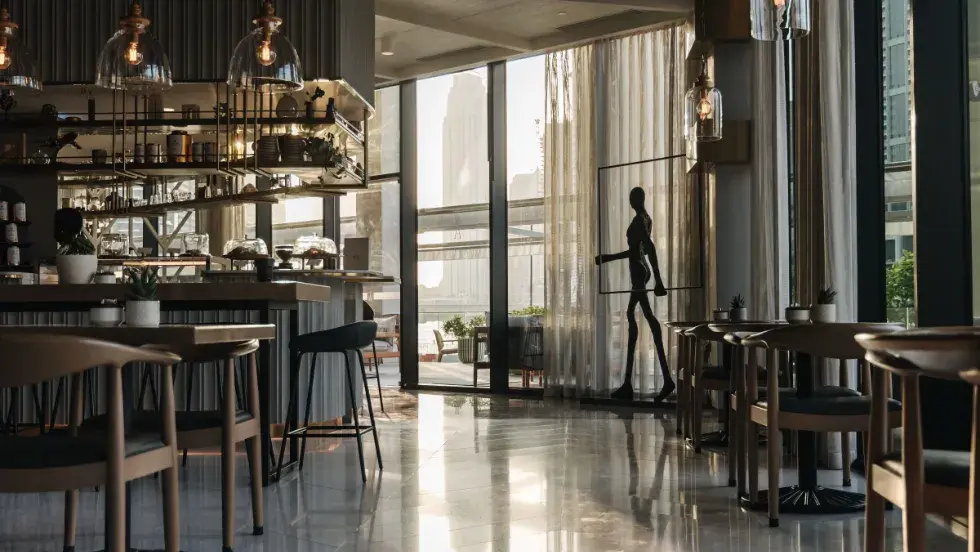
Head to one of Japanese designer Shinichiro Ogata’s minimalist tea sanctuaries, like his modern tea salon Higashiya Ginza in Tokyo. If you’re big on interiors, this one’s for you. This tea house offers clean lines and natural colour palettes – key features of the highly popular “Japandi” design trend – which strives to blend Japanese minimalist design with Scandinavian functionality and ease. Offering seasonal wagashi, a careful selection of teas and tableware products, they don’t skimp on any of the details. Get the “Samajiki”, a set menu for a Japanese take on afternoon tea which features two teas of your preference, a light meal and an assortment of wagashi, priced at ¥6,000.

If you want a unique, authentic experience (and a hike)…
Nagomiya Kotengu in Kyoto. Ok, this is actually a soba noodle shop, but the whole experience was outstanding and well worth a visit. I tried a Hojicha (fig leaf tea) and the set menu, which included one main dish and three small ones. The whole experience was an explosion of flavours like nothing else I had in Japan. Make a day of it by hiking between remote villages Kurama and Kabune, and warm up in the quaint and cosy restaurant after. This meal was truly one to remember (and not only because we were worried about running into wild bears…).

If you want magic… Iwaso in Itsukushima (a.k.a Miyajima)
In 1893, Iwaso Ryokan was once a modest tea house. Now, it boasts an intimate and traditional inn situated in the breathtaking Momijidani park, surrounded by bright red maple trees planted by the tea house’s founder many moons ago. If you want somewhere with a rich history in tea, as well as a traditional onsen hotspring, and somewhere to lay your head, this is probably the most beautiful park I’ve ever visited. Deer roam freely and are very friendly. All guests are greeted with a complimentary, high-end, authentic tea service, which they can enjoy in the tranquil woodland environment.